
The psychology behind gambling why we take risks at the casino
The Allure of Risk
The thrill of taking risks is deeply rooted in human psychology. For many, the prospect of winning big at a casino offers a unique adrenaline rush that can be addictive. This excitement often outweighs the logical considerations of potential losses. When individuals place a bet, they engage in a momentary escape from reality, allowing them to dream about the possibilities of wealth and success. As they navigate this enticing landscape, some may read more about the experiences of others who have triumphed against the odds.
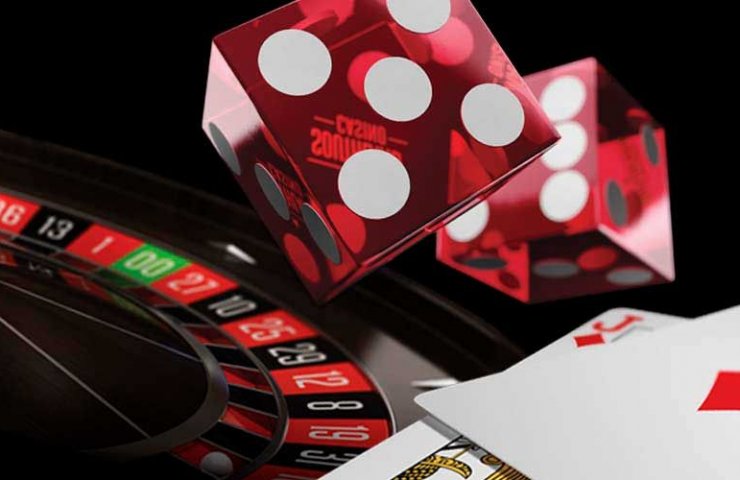
Furthermore, the anticipation associated with gambling can lead to heightened emotions. The anticipation of a potential win triggers dopamine release in the brain, creating feelings of pleasure and reward. This chemical response reinforces the behavior, making individuals more likely to return for another round, even after experiencing losses.
Luck vs. Skill
The debate between luck and skill is a significant aspect of gambling psychology. While many games of chance, like slots and roulette, rely heavily on luck, others, such as poker and blackjack, involve skill and strategy. This distinction influences how individuals approach their gaming experiences. Players may feel more empowered in skill-based games, believing their decisions can directly impact the outcome.
On the other hand, the unpredictable nature of luck can be captivating. Players often convince themselves that they can beat the odds, leading to a phenomenon known as the “gambler’s fallacy.” This cognitive bias causes individuals to believe that past outcomes can influence future events, further fueling their desire to continue playing, even in games where skill has little influence.
The Role of Social Interaction
Casinos are designed to be social environments, where the collective excitement of fellow gamblers can enhance the overall experience. Interaction with others can create a sense of community, making individuals feel more connected and engaged. This social aspect often leads to longer gambling sessions, as people enjoy sharing their experiences and celebrating wins together.
Moreover, social gambling can be a way to cope with stress or loneliness. Many individuals turn to casinos as a form of entertainment and socialization, seeking companionship and excitement in their leisure time. The shared experiences can create lasting memories, making the allure of gambling even more enticing.
Cognitive Biases in Gambling
Cognitive biases play a significant role in gambling behavior. For instance, many gamblers exhibit an overconfidence bias, believing they have better odds than they actually do. This misconception can lead them to gamble larger amounts, as they overestimate their chances of winning. Additionally, the availability heuristic—where people base judgments on readily available information—can also influence their perceptions of gambling.
Another common bias is the confirmation bias, where individuals seek out information that confirms their beliefs about gambling success. This can lead to a distorted view of their overall performance, as they only remember wins while overlooking losses. Such biases contribute to the cycle of gambling, making it challenging for individuals to recognize the negative consequences of their behavior.
Understanding Casino Dynamics
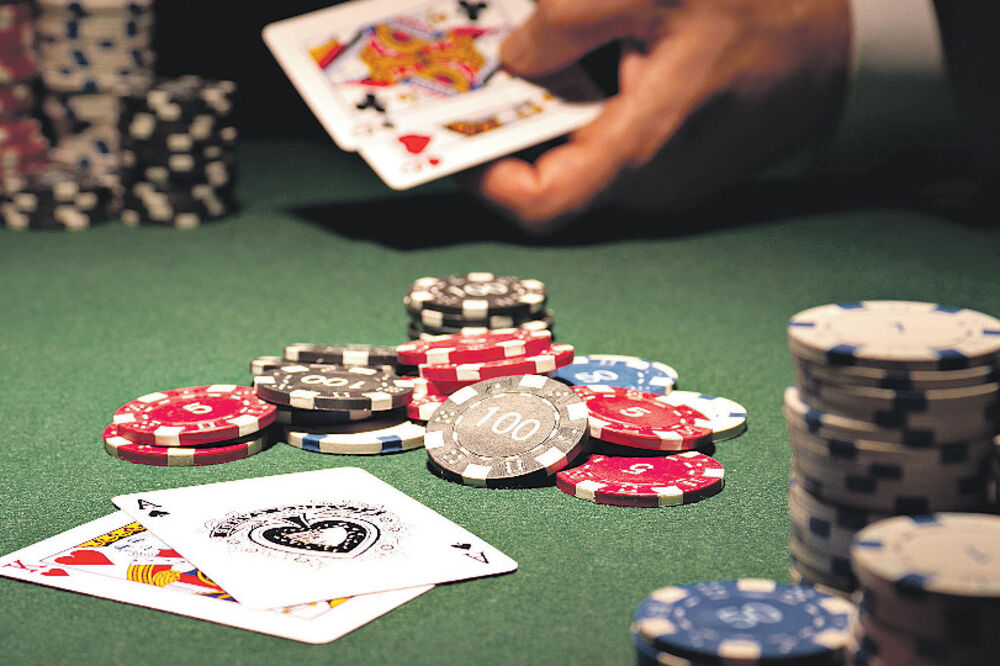
Understanding the environment of a casino is crucial to grasping the psychology behind gambling. Casinos employ various strategies to create an enticing atmosphere, including vibrant colors, sounds, and lighting that stimulate the senses. These elements are designed to keep players engaged and encourage them to spend more time—and money—at the tables and machines.
Moreover, the layout of casinos often obscures the passage of time, with no windows or clocks. This design encourages players to lose track of time, leading them to gamble longer than they initially intended. The combination of sensory stimulation and temporal disorientation creates a powerful environment that capitalizes on the psychological impulses of gamblers.
